Search Jobs

How ATS And AI Transform Your Hiring Process
11 July 2025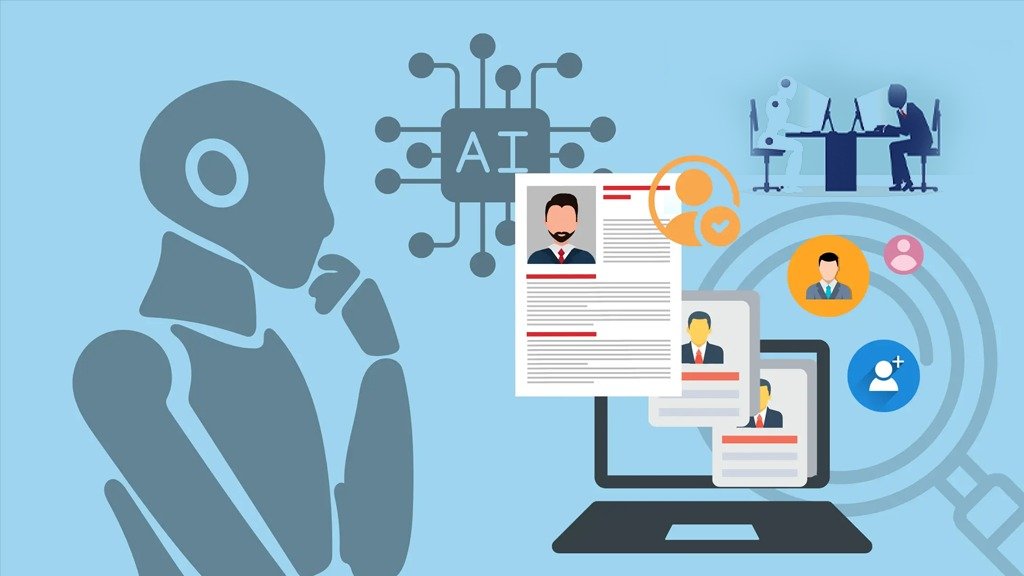
Traditional
hiring methods are being replaced by advanced technology in the quickly
changing talent acquisition landscape, which is changing how businesses find,
assess, and select people. AI-powered job applications, AI-driven interviews,
and applicant tracking systems (ATS) are becoming essential elements of
contemporary recruitment tactics rather than futuristic ideas. Organisations
hoping to remain competitive and draw in top people must comprehend how these
technologies affect hiring success.
The
Foundational Role of Applicant Tracking Systems (ATS)
The
Applicant Tracking System (ATS) is the central component of contemporary
hiring. The hiring process is streamlined from job posting to candidate
selection thanks to this software, which serves as a single centre. By
automating processes like candidate filtering, resume parsing, and
communication management, an applicant tracking system (ATS) greatly
lessens the administrative load on recruiters.
An
ATS's capacity to manage high application volumes effectively is one of its
main benefits. Job advertisements can draw hundreds or even thousands of
applications in the current digital era. Sorting all these resumes by hand
would be an enormous undertaking. Recruiters can swiftly find qualified
candidates by using an applicant tracking system (ATS), which uses algorithms
to scan resumes for pertinent keywords, abilities, and experience.
Additionally,
by offering a centralised repository for candidate data and guaranteeing
compliance with data protection laws, an applicant tracking system (ATS)
improves compliance. By giving hiring managers a common platform to analyse and
assess applicants, it also makes collaboration easier. However, an ATS's
efficacy depends on how it is configured and used. Employers need to make sure
that their applicant tracking system (ATS) is set up to appropriately match
their recruiting standards and that recruiters are properly educated to take
advantage of all of its features.
AI-Powered
Job Applications: Enhancing Candidate Engagement
AI
is changing the job application process itself, not just the applicant tracking
system. AI-powered employment apps aim to improve applicant interaction and
offer a more customised experience. These apps use virtual assistants and
chatbots to help applicants with the application process, respond to
their enquiries, and provide them immediate feedback.
Enhancing
the applicant experience is one of the main advantages of AI-powered
applications. These apps boost completion rates and lessen applicant annoyance
by offering prompt responses and tailored advice. Additionally, AI chatbots can
collect insightful data about the motives and preferences of candidates, which
can be utilised to improve the hiring procedure.
Additionally,
applications with AI capabilities might lessen prejudice in the screening
procedure. These applications make guarantee that all applicants are assessed
equally by utilising standardised tests and objective criteria. A more
inclusive and varied workforce may result from this. Transparency and ethical
considerations must be taken into account when designing AI-powered
applications, though. Candidates ought to be aware of how the AI uses their
data and how it makes choices.
AI
Interviews: Revolutionizing Candidate Evaluation
AI-powered
interviews represent yet another important advancement in the employment
market. These interviews evaluate candidates' communication abilities,
character attributes, and cultural fit using natural language processing and
video analysis.
Candidates
can complete AI interviews whenever it is most convenient for them because they
can be performed asynchronously. This can enhance candidate accessibility and
drastically cut down on scheduling problems. Furthermore, AI interviews can
offer consistent and impartial assessments, lowering the possibility of human
prejudice.
The
ability of AI interviews to interpret nonverbal clues, such body language and
facial expressions, is one of their main benefits. These cues can provide
important information about a candidate's emotional intelligence and
personality. In order to evaluate communication abilities and spot possible
warning signs, AI can also examine language usage and speech patterns.
Nonetheless,
it is imperative to guarantee the ethical and responsible use of AI interviews.
Candidates should be given the chance to offer input and be made aware of how
their data is being examined. Additionally, companies must to be aware of
any biases in AI algorithms and take precautions against them.
Optimizing
Hiring Success with Integrated AI Solutions
The
true power of ATS, AI job applications, and AI interviews lies in their
integration. When these technologies are seamlessly integrated, they create a
comprehensive and efficient hiring ecosystem.
For
example, an ATS can be integrated with AI-powered job applications to
automatically screen candidates based on their responses. This can
significantly reduce the time and effort required to review applications.
Similarly, an ATS can be integrated with AI interviews to automatically analyse
candidate performance and generate detailed reports.
By leveraging integrated AI solutions, organizations can gain a competitive edge in the talent market. They can identify and attract top talent more quickly and efficiently, reduce hiring costs, and improve the quality of their hires.
